Justina Nekrašaitė | The Book Photographer
Voor de Nederlandse versie, scrol naar beneden.
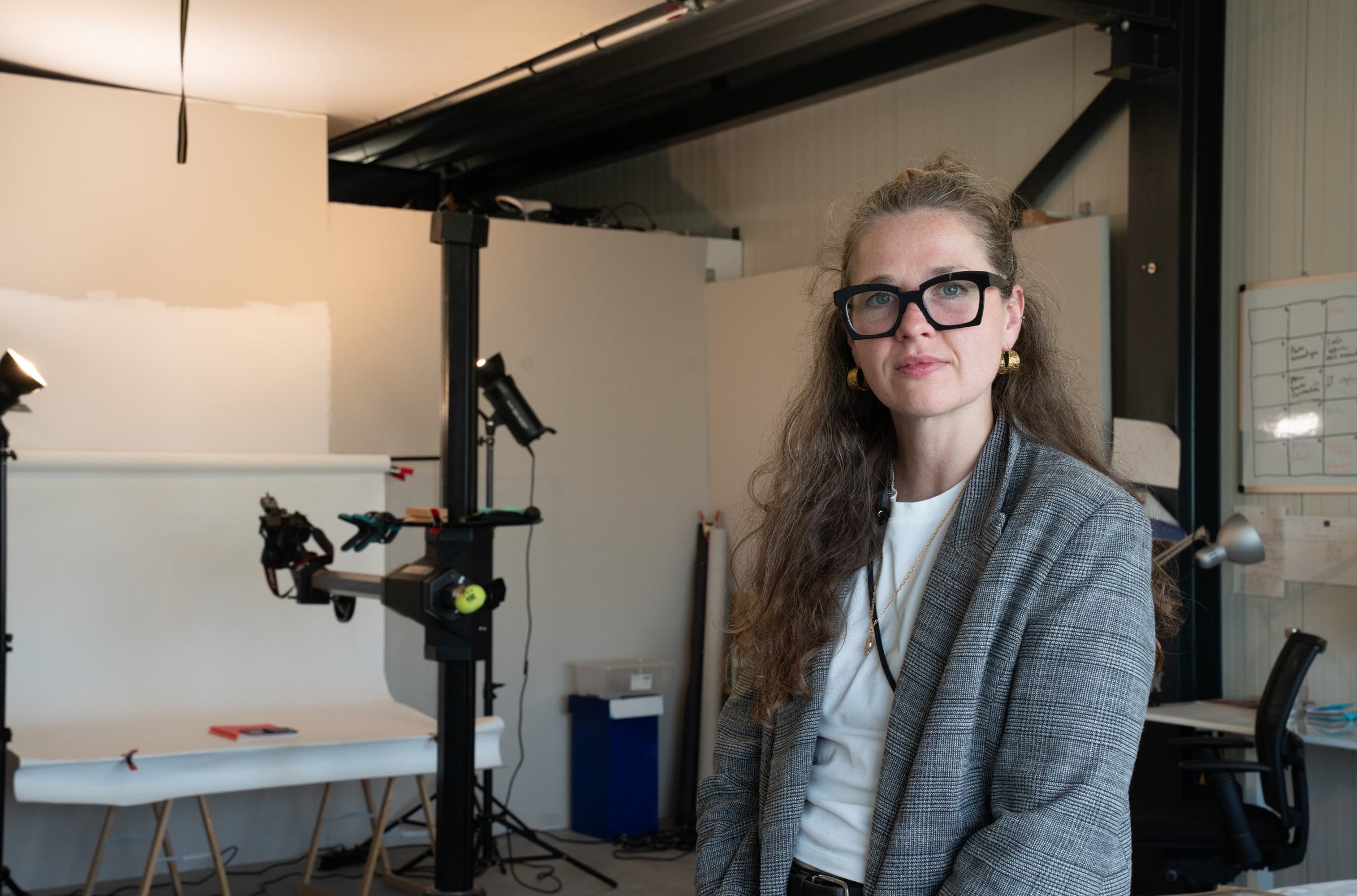
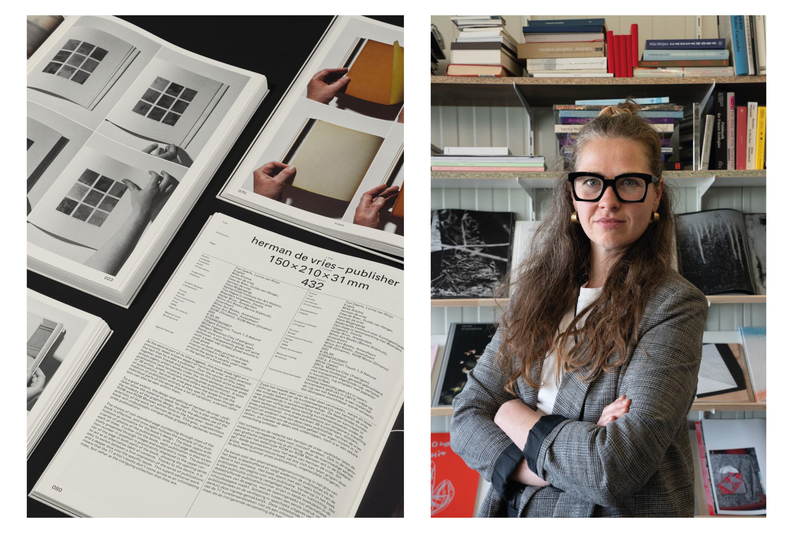
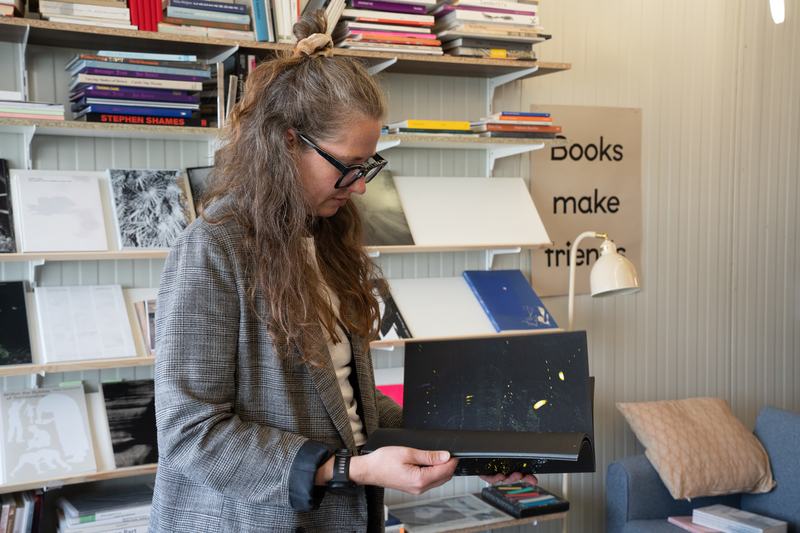
Justina Nekrašaitė (1987, Litouwen) is a photographer and cultural organiser. With her studio The Book Photographer she has specialized in documenting art- and photobooks by many important photographers, artists and publishers. Mick van Dijk spoke with her in het studio in Amsterdam Westpoort about het practice.
Where did your attraction and fascination with books as objects come from?
The books happened to me. When I was growing up, a group of artists frequently came to our home for dinners organised by my mother. We children were never excluded from those gatherings. There were writers, photographers and artists and they would bring books.
I'm dyslexic, so reading was difficult for me, but I enjoyed looking at the books, especially the visual books. I remember beautiful moments, sharing in the experience of looking at the books. That was essential in creating my interest, now my job is to capture how I'm looking.
You've specialised in photographing books, quite a small niche in the photography business. How did your practice start?
The Book Photographer Studio was born from an internship at De Monsterkamer, which was a showroom for specialty papers for artists and printers in Amsterdam, ran by Esther Krop. I really wanted to intern with her, but I was too insecure with my English to do much writing. Gradually we realised that I could do photography.
In the beginning this was event photography, but after a while I started photographing books. They would ask their clients to send a copy of their project when it was ready, and we would document that copy, for the database and for online promotion. That is how I started.
After a while I started receiving inquiries from outside clients, asking me if I could photograph their books, which I would do in between jobs for De Monsterkamer.
Eventually graphic designer Michaël Snitker approached me. He was working on his portfolio website, and had seen my approach of documenting books, and liked it. He asked me to capture 14 years of his practice, and encouraged me to really play with the books, and gave me the time to explore. He brought me several copies of each, that was very special. It allowed me to explore what the books could do. I could bend them, fold them, hold them in creative ways, which before I didn’t have the possibility to do before. That really was the beginning.
To ask a very naive question, but books are carriers of information. They are about what's on the page. So why is the book as an object so important? Why does the shape it takes matter so much?
It’s the same as with food. You can mash everything and eat it from the plastic box, or you can place it very nicely and eat it on the white tablecloth with beautiful cutleries. That creates a different feeling.
What kinds of books do you photograph?
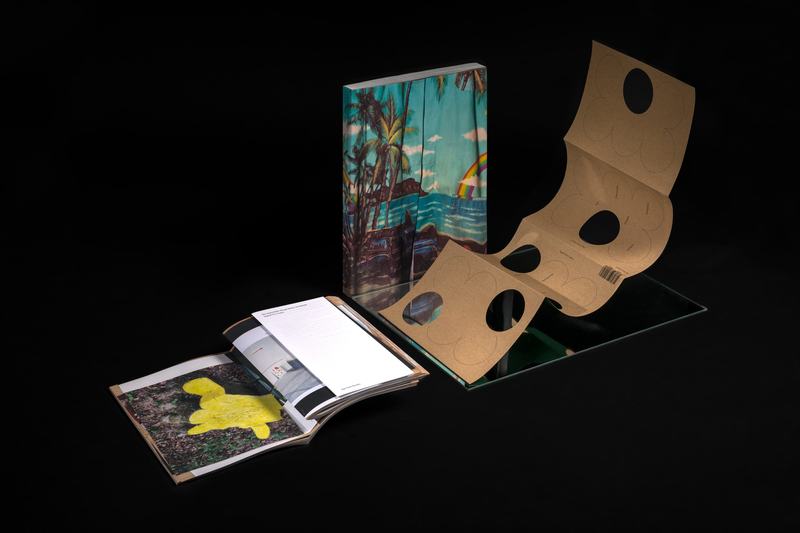
The majority are photobooks, and art books. I rarely document novels or non-fiction, but I frequently photograph books that are somewhere in between, research books around art that have dynamic visual elements on their covers, special bindings or visually interesting spreads. Whatever book I photograph, I try to create a ‘mini world’ for it.
Are there any unique challenges to photographing a photobook?
The glossy paper is a challenge, because it reflects. You have to do some tricks to get it to not overexpose and shine. But I've been doing this for more than 10 years now, so most requests don’t scare me anymore.
With photobooks I’ve become more and more attentive to the texture. I try to not just show the pictures, but to bring out the materiality of the paper, and make the paper still feel like paper.
One of the things that fascinates me most in photobooks is the art of creating a sequence of photographs that somehow works. I imagine that that’s quite difficult to get across in still photographs. Do you try to show that in your photo’s, or is that something that people just have to see for themselves?
Obviously I'm not going to take dozens of images to show the sequence, that’s not interesting. Occasionally I’m requested to make videos, flipping pages. But this is not something that I am extremely excited about. My job is to create curiosity about the book.
Could you expand on that?
So many people work on a book, put their heart, their thoughts into it. The printers and the binders did their best to make this book as beautiful as they can, and then it goes to the viewer. Most of the time even before the book reaches the bookshops, or even before people get them into their hands at the launch, it reaches them through photos.
When a book arrives from the printer to the maker, it is like witnessing the birth of a child. Of course the makers are excited to share it. So they take a picture of the book, in a box on their kitchen table. I'm not saying that it's bad, but for a first encounter, where the public gets to see the book for the first time, it could be better.
So, you may see my position more like the aunt who takes the child by the hand and introduces her niece to the family, if that makes sense.
You come in at the end of the chain of creation, at the beginning of the chain of how the book will live in the world.
Yes, that was nicely said. I'm coming in at the very last moment when all the tears and sweat and struggle are over, and people can start to enjoy it. It’s the first step of getting out into the world. For example, these images are used during book launches, where the attendees see the book on the screen before they get it into their hands. And of course they are shared for PR purposes, they appear in magazines, on websites and on social media, and by the artists in their applications for future subsidies and grants and things like that.
Besides your photographic practice, you host a live podcast about books as an artform, and a Books and Wine roundtable. What connects these initiatives?
I’m an extroverted introvert, I’m thriving when I’m organising and hosting these things.
I want to inspire, educate new generations, introduce them to the industry and celebrate the people who are making the books. I organise the podcast recordings for a live audience, to build a community.
Books and Wine goes back to what inspired me as a child about books as objects. In some sense I hope to reproduce that feeling of those gatherings in this new form. And it's another way to celebrate the book, besides my images.
It brings to mind something Eelco van Welie, the director of publisher NAi010, said in your podcast recently. He said that the industry has shifted from print to reach. It fits with your own practice.
Yes, it's not about the amount of books that get printed and sold anymore, but the number of people that they reach. That’s not necessarily only through buying books, but also through images, lectures, symposiums and all the many other activities surrounding it.
You can see more of Justina’s work at www.thebookphotographer.com. Her podcast Bookmaking as an Art Form can be found at www.thebookphotographer.com/podcast
Images: Justina Nekrašaitė & Mick van Dijk
NL
Justina Nekrašaitė (1987, Litouwen) is fotograaf en culturele organiser. Met haar studio The Book Photographer heeft ze zich, als enige in Nederland, gespecialiseerd in het op bijzondere wijze vastleggen van kunst- en fotoboeken van vele vooraanstaande fotografen, kunstenaars en uitgeverijen. Mick van Dijk interviewde haar in haar studio in Amsterdam Westpoort over haar praktijk.
Waar kwam jouw aantrekking en fascinatie met boeken als voorwerpen vandaan?
Dat ging vanzelf. In mijn jeugd organiseerde mijn moeder regelmatig diners voor een groep kunstenaars. De kinderen waren daar ook altijd welkom. De schrijvers, fotografen en andere kunstenaars die daar kwamen namen regelmatig boeken mee.
Ik heb dyslexie, daardoor was lezen moeilijk voor mij, maar ik bekeek de boeken graag, vooral de visuele boeken. Ik herinner me hele mooie momenten waarin ik deelde in de ervaring van het kijken naar de boeken. Die ervaringen hebben mijn interesse gevormd, en mijn werk nu is het vastleggen van mijn manier van kijken.
Je hebt je gespecialiseerd in het fotograferen van boeken, een kleine niche in de fotografiesector. Hoe is jouw praktijk begonnen?
De Book Photographer Studio ontstond vanuit een stage bij De Monsterkamer, Esther Krops showroom voor bijzonder papier voor kunstenaars en drukkers in Amsterdam. Ik wilde heel graag bij haar stage lopen, maar ik was te onzeker over mijn Engels om veel te schrijven. Samen ontdekten we langzamerhand dat ik fotografie kon doen.
In het begin was dit vooral eventfotografie, maar na een tijdje begon ik boeken te fotograferen. Ze vroegen hun klanten altijd om voorbeelden van het werk dat ze maakten met het papier van De Monsterkamer, en die exemplaren documenteerden we dan voor onze database en voor online promotie. Dat is hoe ik begon met het fotograferen van boeken.
Na een tijdje begon ik verzoeken te krijgen van externe klanten, die me vroegen of ik hun boeken kon fotograferen. Dat deed ik tussen de opdrachten voor De Monsterkamer.
Op een gegeven moment benaderde grafisch ontwerper Michaël Snitker me. Hij werkte aan zijn portfoliosite, en hij waardeerde mijn benadering van het fotograferen van boeken. Hij vroeg me om 14 jaar van zijn praktijk te documenteren, en moedigde me aan om echt met de boeken te spelen, en gaf me daar ook de tijd voor. Hij bracht me meerdere exemplaren van elk boek, dat was heel bijzonder. Daardoor kon ik gaan onderzoeken wat ik met boeken kon doen. Ik kon ze buigen, vouwen en ze op bijzondere manieren vasthouden, die mogelijkheden had ik eerder nooit gehad. Dat was echt het begin van mijn praktijk.
Om een naïeve vraag te stellen, boeken zijn informatiedragers. Het gaat om wat er op de pagina staat. Waarom is het boek als object dan toch belangrijk? Waarom doet de vorm er toe?
Het is net zo als met eten. Je kunt alles prakken en het eten uit een plastic doosje, of je kunt de tafel netjes dekken en eten van een mooi bord met zilveren bestek. Dat creëert een heel ander gevoel.
Wat voor boeken fotografeer je zoal?
De meerderheid zijn fotoboeken en kunstboeken. Ik fotografeer zelden romans en non-fictie, maar er komen regelmatig boeken voorbij die ergens tussen de categoriën vallen, bijvoorbeeld boeken met onderzoek rondom kunst. Maar eigenlijk fotografeer ik alle boeken die bijzondere visuele elementen hebben, zoals dynamische covers, speciaal bindwerk of interessante spreads. Wat voor boek ik ook fotografeer, ik probeer er altijd een ‘mini-wereld’ voor te maken.
Zijn er bijzondere uitdagingen bij het fotograferen van een fotoboek?
Het glanzende papier is een uitdaging, omdat het spiegelt. Je moet wat trucs uithalen om te zorgen dat je geen overbelichting en schimmering krijgt. Maar ik doe dit werk nu al 10 jaar, dus de meeste opdrachten intimideren me niet meer.
Bij fotoboeken ben ik over de jaren steeds meer gaan letten op de textuur. Ik probeer niet alleen de foto’s te laten zien, maar juist ook de materialiteit van het papier te tonen; ik probeer het papier er als papier uit te laten zien.
Een van de dingen die mij persoonlijk het meest fascineert aan fotoboeken is de kunst van het maken van een sequentie van foto’s die op de een of andere manier werkt. Ik kan me voorstellen dat dat lastig is om vast te leggen in foto’s. Probeer je dat in je foto’s over te brengen, of is dat iets dat mensen voor zichzelf moeten ervaren?
Ik maak natuurlijk niet tientallen foto’s van een boek om de sequentie te laten zien, dat zou niet interessant zijn. Soms wordt ik gevraagd om video’s te maken, waarin ik door het boek blader, maar dat is niet iets waar ik heel enthousiast van wordt. Mijn taak is om nieuwsgierigheid voor het boek te creëren.
Kun je daar dieper op in gaan?
Heel veel mensen leggen samen hun hart en ziel in een boek. De drukkers en binders doen hun best om het boek zo mooi mogelijk te maken, en dan gaat het naar het publiek. Maar meestal ervaren mensen het boek eerst via foto’s, voordat het boek in de winkel ligt, of zelfs maar gepresenteerd is.
Wanneer een boek van de printer bij de maker wordt bezorgd, dan voelt het voor de maker bijna als de geboorte van een kind. Ze willen dat natuurlijk snel delen. Ze maken dan bijvoorbeeld een foto van het boek, net uit de doos, op de keukentafel. Ik wil niet zeggen dat daar iets mis mee is, maar de eerste indruk, de eerste keer dat het publiek het boek ziet, kan beter dan dat.
Ik zie mijn rol als een tante die een kind bij de hand neemt en het voorstelt aan de familie, snap je?
Jij stapt dus in aan het einde van de keten van de creatie, en aan het begin van de keten van hoe het boek in de wereld gaat leven.
Ja, dat is mooi gezegd. Ik stap naar voren op het moment dat al het werk en alle uitdagingen voorbij zijn, en mensen kunnen gaan genieten van het boek. Het is de eerste stap de wereld in. De foto’s worden bijvoorbeeld gebruikt tijdens boeklanceringen, mensen zien daar het boek vaak op een scherm voordat ze het in handen hebben. En natuurlijk worden ze ook gedeeld op websites, social media en in magazines in het kader van marketing, en kunstenaars gebruiken de foto’s wanneer ze fondsen werven voor toekomstige projecten.
Naast je fotografiepraktijk heb je een live podcast over Boeken als Kunstvorm, en avonden met Boeken en Wijn. Wat verbindt deze initiatieven?
Ik ben een introvert en een extrovert tegelijkertijd, ik ben in mijn element waneer ik dit soort evets organiseer.
Met de events wil ik mensen inspireren, nieuwe generaties makers opleiden en hen introduceren tot de sector, en ik wil de makers vieren. Ook wil ik een gemeenschap opbouwen, daarom neem ik de podcast dan ook op voor een live publiek.
Books and Wine kun je terugvoeren tot waar mijn interesse als kind in boeken begon. Ik wil anderen dat gevoel ook geven, door de samenkomsten uit mijn kindertijd op een nieuwe manier te organiseren. En het is nog een manier om het boek te vieren, net als mijn foto’s.
Het herinnert me aan iets dat Eelco van Welie, de directeur van uitgever NAi010, recent in je podcast zei. Hij vertelde dat de industrie is verschoven van print naar bereik. Dat past goed bij jouw praktijk.
Ja, het gaat tegenwoordig niet meer om de hoeveelheid boeken die worden gedrukt en verkocht, maar om de mensen die met de boeken worden bereikt. Dat is niet meer alleen door boekenverkoop, maar ook door afbeeldingen, lezingen, symposia en de vele andere activiteiten rondom het boek.
Je kunt meer van Justina’s werk zien op www.thebookphotographer.com. Haar podcast Bookmaking as an Art Form is te vinden via www.thebookphotographer.com/podcast.
Beeld: Justina Nekrašaitė & Mick van Dijk